
Latest from our business, security
and technology blog
Search the blog:

2017-06-19 10:56:25
The Rise of Personally-Targeted Spear-Phishing Attacks & How to Defend Yourself From Them...
As we all become more wary about the tell-tale signs of a phishing email attack, criminals are turning to a more targeted approach to email scamming: the spear-phishing attack.

2017-06-12 09:30:34
Your IT perimeter: where is it and how do you best defend it?
Gone are the days when the limits of your security cordon were the walls of the datacentre. Now, it isn’t the stray floppy disk or errant memory stick we need to worry about – many of us are wondering where the limits of our IT perimeter are.

2017-06-05 11:03:21
Is the Password Still Relevant to Control Identity and Access to Your IT Systems and Data?
A lot of people believe that the password is an invention of the age of computing, a necessary part of securing IT systems from hackers and other malevolent forces – intentional or unintentional. In truth, the password is about as old as human civilisation.
2017-05-15 10:11:32
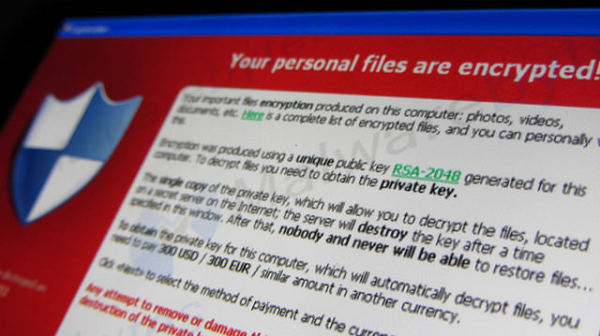
How to Protect Your Business Against Cyber-Attacks and Data Theft
Wow! Quite a weekend of news around Cyber Security... This was an article we had written a couple of weeks ago now and had scheduled for publication today just for the sake of offering our readers and supported end-users ongoing education about cyber security and playing your part...

2017-04-10 15:25:06
Four Top Tips for Reducing IT Expenditure
Some level of IT expenditure is necessary in a business world that’s increasingly driven by technology.

2017-03-20 14:10:19
(Not Always Obvious) Things to Look Out for to Avoid Phishing Scams
Phishing scams are incredibly common nowadays. Luckily anyone who uses a computer on a daily basis is now very used to ignoring the most obvious types of phishing emails with poor spelling or grammar in the content; not to mention that those that are sent out en masse will nearly always be caught...

2017-03-13 10:29:09
8 Top Tips for Managing a Virtual Work Team
With flexible working on the increase, more small businesses than ever are effectively working in a virtual office.

2017-03-06 08:30:17
Top Tips for Making IT Relevant for Your Business
Small & Medium Enterprises (SMEs) or Businesses are vital to the UK economy, driving growth and ensuring employment.

2017-02-13 11:17:06
IoT Security Tips for SMEs
There’s much hype about the Internet of Things (IoT) and the endless possibilities of a hyperconnected future. However, 2016 saw a number of DDoS attacks in which attackers exploited inherent security vulnerabilities in IoT devices to take down big name websites such as Twitter, Netflix and Spotify.



