
Latest from our business, security
and technology blog
Search the blog:

2017-10-30 07:30:53
Trick or Treat? What sort of service do you get from your IT provider?
Last month we talked about our Customer Satisfaction (CSAT) feedback results – why we have it, what results we’ve been getting and what we can take from it.

2017-10-23 11:19:35
The Beginner's Guide to Cloud Security
As increasing numbers of businesses shift their workloads to the cloud, the security threat we face is changing. Where our data goes, the hackers follow – and now cloud attacks are on the rise.

2017-10-16 09:35:51
Protect Your Business from Insider Attacks
When we discuss cyber-attacks it often refers to those that come from the outside – the ones that are typically high profiles cases, such as malware, hacking, DDOS and ransomware.
2017-09-25 07:30:01
Evidence Suggests Looming GDPR Is Still Being Ignored by British Businesses
Latest evidence shows that there remains a lot of confusion about GDPR and its likely impact on British Businesses, including around the role of Brexit. A new sense of urgency is required: the ICO has warned Brexit is no excuse and time is running out.

2017-09-11 08:45:53
How Should a Small Business Prioritise IT Spend?
With so many new technologies on everyone’s radar at the moment – the Internet of Things, Big Data, Machine Learning, Artificial Intelligence – just how can you be sure your IT budget is being spent wisely?
.png)
2017-08-28 07:30:51
The Impending SME Security Crisis
The brutal fact is most small businesses are not spending enough time or money on cyber security – leaving them exposed to ransomware, severe regulatory fines, reputational damage and lost business opportunities.

2017-08-21 08:56:12
Cloud 101: SaaS, PaaS & IaaS Explained
There has been a seismic change in the way IT is delivered over the past decade – and the hype about our continued move to “the Cloud” seems to continue unabated. What does it all mean?

2017-08-14 07:30:40
Comparing the Advantages with the Pitfalls of BYOD
Research from Gartner has shown that 39% of employees surveyed rely on personally owned mobile devices in the workplace. Use of corporate owned devices was minor in comparison – just 10%. There are of course obvious reasons for the decline of corporate devices – primarily being the high cost burden...
2017-07-03 07:30:27
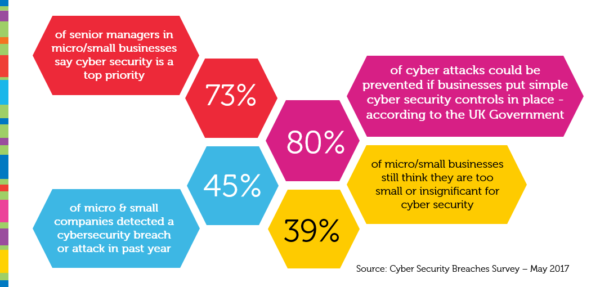
You’re Not Too Small to Be a Victim: The Obvious IT Security Fails Small Businesses Can Avoid



