
Latest from our business, security
and technology blog
Search the blog:

2020-10-12 07:30:00
What is the principle of “least privilege”? And should you be following it?
You might have heard or read about the principle of least privilege in the context of cyber security – especially if you have looked into the Cyber Essentials scheme. This blog looks at why it’s important and how it can be implemented successfully.
2020-09-28 15:51:48
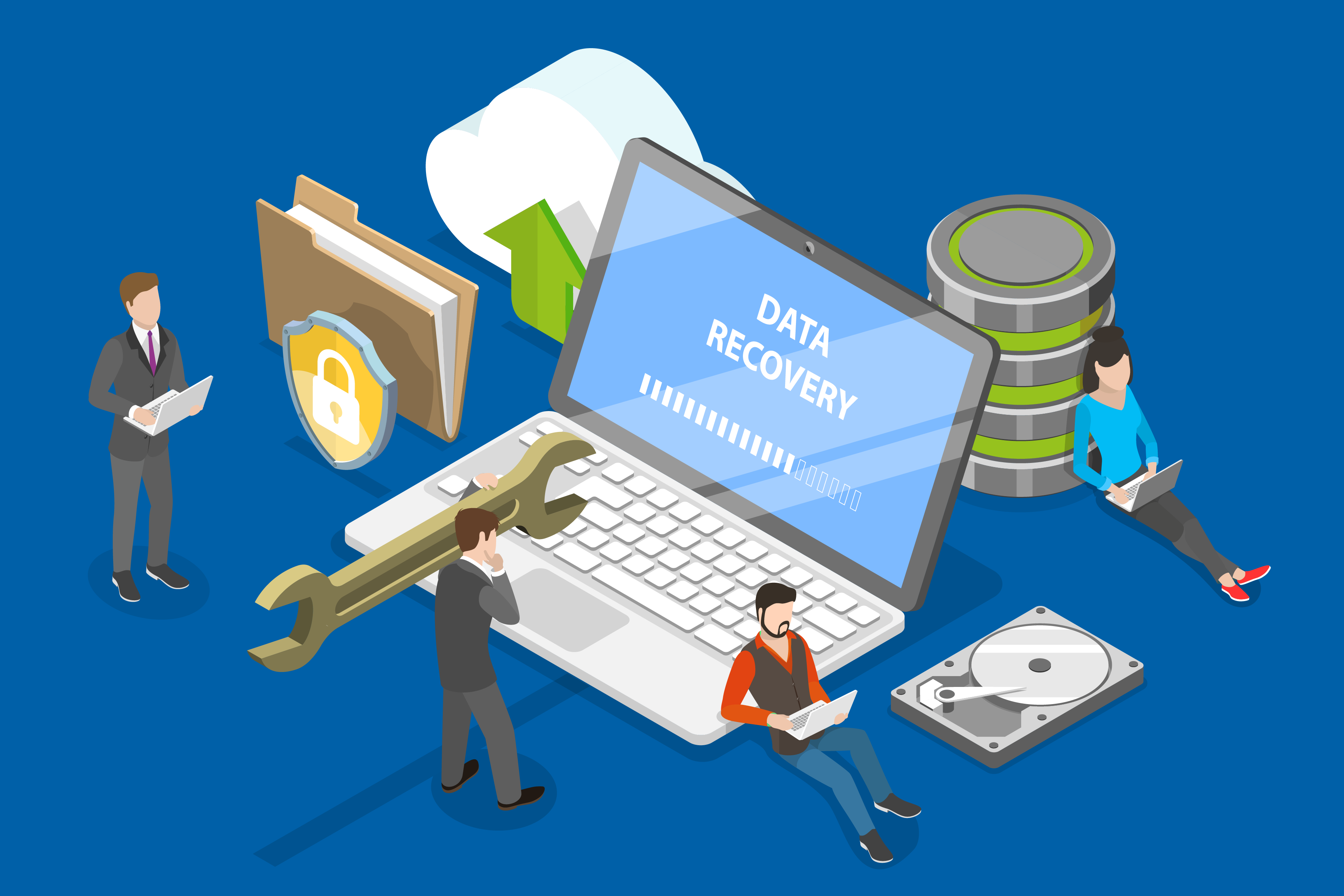
The forgotten risk of our new WFH reality
Even before the lockdown was announced in March this year, businesses across the UK were doing what they could to ready their business for the effects of the pandemic. While their efforts have been herculean, it is now time to check that all new systems are secure.

2020-09-22 14:27:18
Why the IT Support Partner You Choose to Work With Could Be Your Biggest Security Risk
Cyber Security - let’s call it what it really means – protecting yourself against Criminals. Modern cyber crime might be one of the biggest risks your business faces. It could cause you massive disruption, reputational damage or even ultimately to close shop. But how do you know your business is...
2020-08-10 07:30:00
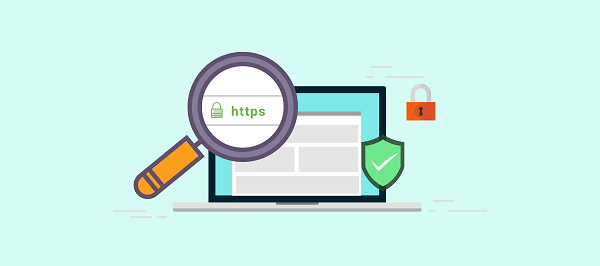
How to ensure web applications used in your business are secure
What are you doing to secure your business website and other web applications used in your business? If you run local browser (web) applications, they are probably secured with a variety of techniques, including firewalls, regular patching and network monitoring. But what happens when you are...
2020-08-03 15:23:57
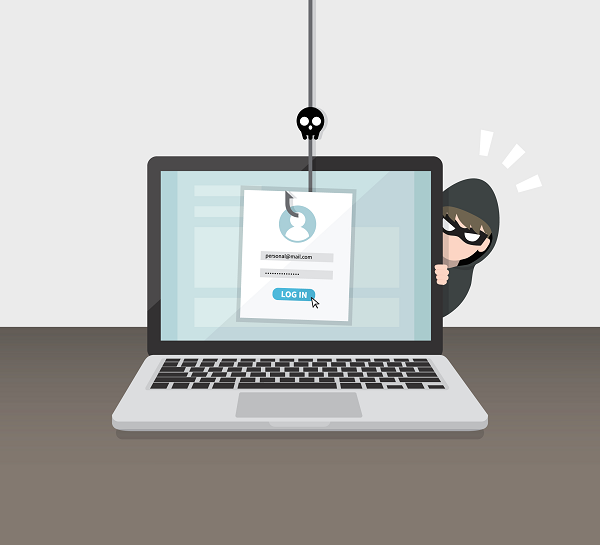
What you need to know about the fastest-growing type of phishing attack today...
There’s a new attack vector in town: social media. Social is currently the fastest-growing type of phishing attack. Here’s what you need to know. We’ve covered phishing many times here on the Grant McGregor blog. We think it’s important to do so, because we all need to stay vigilant against the...

2020-07-28 12:46:10
Secret 3: How Doing IT on the Cheap Ends Up Being More Expensive
Grant McGregor’s guide “The Six Little-Known Secrets” of IT support highlights a few key factors you need to consider in order to get the very best from your IT company. In this blog, we take a look at secret #3: beware of choosing an IT support provider on the basis of price alone! Price is, of...

2020-07-20 07:00:00
What does “back to work” mean for your business continuity planning?
Organisations must revisit their operational strategies and business continuity planning in the wake of the COVID-19 pandemic. Here, the Grant McGregor team considers what this might mean for your business continuity planning and, especially, IT. In a recent blog, we looked at how the current...
2020-07-13 07:30:00
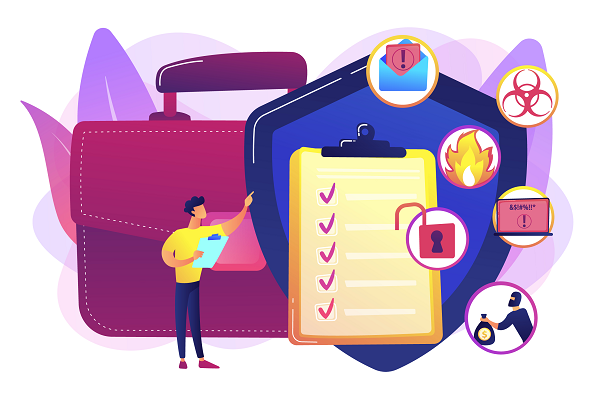
What has Coronavirus exposed about your disaster recovery and business continuity plans?
Disaster recovery and business continuity plans should be revisited on a regular basis to ensure they remain fit for purpose. The current coronavirus pandemic has us all moving forward those DR/BC reassessment planning sessions. There can be few businesses around the world that haven’t found their...

2020-05-25 15:22:00
Why should you outsource your IT?
Outsourcing IT isn’t just for large companies. Outsourcing IT often makes even more sense for smaller companies – giving you access to a breadth of skills and support you couldn’t otherwise afford.



